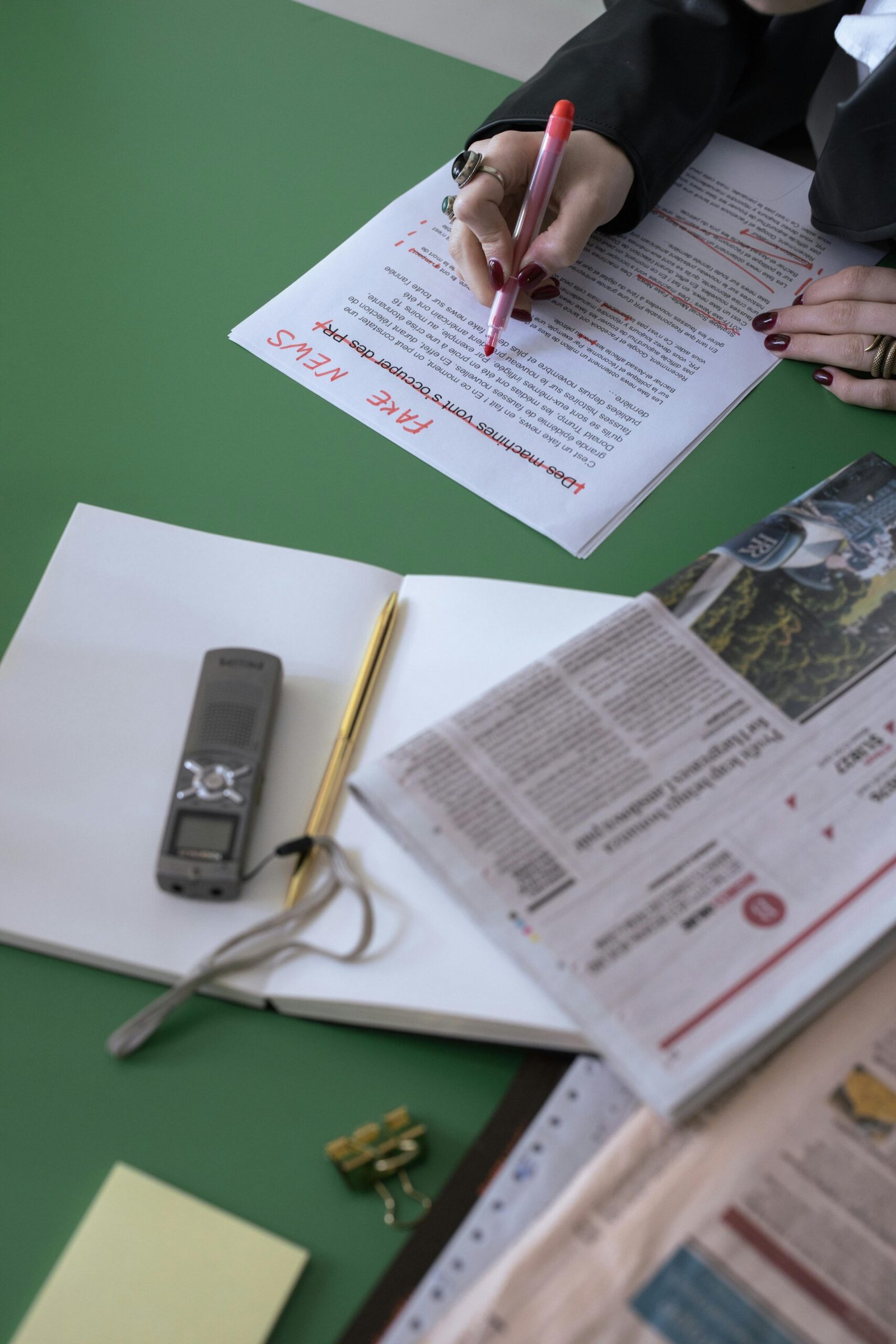
What Is Communication
Communication is the process by which two or more people exchange information, ideas, feelings, or meaning. It involves a sender who encodes a message, a channel through which the message travels, and a receiver who decodes it. Feedback from the receiver completes the loop. Communication can be verbal or nonverbal, written or spoken, and it can occur face‑to‑face or via technology. the intact one+2economicfrontline.com+2
Types of Communication
Here are common forms/types of communication:
- Verbal Communication: spoken words, conversations, speeches, video calls. the intact one+1
- Written Communication: letters, emails, reports, text messages. the intact one+1
- Nonverbal Communication: body language, facial expressions, gestures, posture, tone of voice. the intact one+1
- Visual Communication: charts, graphs, images, symbols, videos. the intact one+1
- Digital Communication: messaging apps, social media, video conferencing. the intact one+1
Importance of Communication
Good communication is fundamental in many aspects of life. Some of its benefits include:
- Building Relationships & Trust
Clear and honest communication helps people understand each other, which fosters trust in personal and professional relationships. the intact one+1 - Effective Decision Making & Planning
When people communicate well, the flow of accurate information helps in making informed decisions and planning actions effectively. Your Article Library+2the intact one+2 - Conflict Resolution
Misunderstandings or miscommunication are frequent causes of conflict. Good communication can clarify intentions, express feelings, and resolve disagreements. Bakkah+2Indeed+2 - Improved Productivity & Efficiency
In workplaces, effective communication ensures everyone knows what they need to do, reducing mistakes, saving time, and improving coordination. Indeed+2vidyaplanet.in+2 - Motivation & Engagement
When feedback is given, and people feel heard and understood, their motivation improves. Communication opens channels for recognition and constructive criticism. the intact one+2Indeed+2 - Cultural Understanding & Social Cohesion
In diverse settings, good communication is essential to understand cultural differences, reduce prejudice, and build inclusive environments. the intact one+1 - Personal Growth and Learning
Expressing ideas clearly, listening to others, giving and receiving feedback help people grow intellectually, emotionally, and socially. Bakkah+1
Barriers to Effective Communication
Even though communication seems simple, it faces many challenges:
- Noise / Distractions: Physical noise, interruptions, or multitasking can distort messages.
- Lack of clarity: Messages that are vague or full of jargon can be misunderstood.
- Cultural differences: Different norms about directness, gestures, tone can lead to misinterpretation.
- Emotional barriers: Emotions like anger, fear, or insecurity can block honest exchange.
- Assumptions & Bias: Prejudices or preconceived notions can filter and distort the message received.
- Poor listening: If the receiver doesn’t pay attention or tries to respond without understanding, communication breaks down.
Principles of Effective Communication
To communicate well, some guiding principles are important:
- Clarity: Use simple, direct language. Make sure the message is specific. economicfrontline.com+1
- Conciseness: Be brief. Avoid unnecessary words that might confuse. economicfrontline.com
- Correctness: Use accurate information; check facts. Grammar and language should be appropriate. economicfrontline.com
- Completeness: Provide enough information so that the receiver understands context, implications. economicfrontline.com
- Courtesy: Be polite and respectful. Consider the feelings of the other person. economicfrontline.com
- Empathy and Active Listening: Try to understand the other person’s point of view; listen more than speaking sometimes.
- Feedback: Encourage responses and verify that messages are understood correctly. Your Article Library+1
Communication in the Modern Age
Modern technology has changed how we communicate:
- Digital tools (social media, video calls, instant messaging) allow fast, wide‑reach communication across distances.
- The rise of semantic communication and machine‑assisted meaning (especially in AI, IoT) is an emerging area: how meaning is encoded and decoded in systems and devices. arXiv
- There are also new challenges: over‑communication, information overload, reduced face‑to‑face interaction, misunderstanding from text‑based communication.
Conclusion
Communication is foundational to all human interaction — whether personal, educational, or professional. It enables us to share ideas, build relationships, collaborate, solve problems, influence others, and adapt to change. Improving communication skills is one of the most effective ways to improve virtually all parts of life.
